
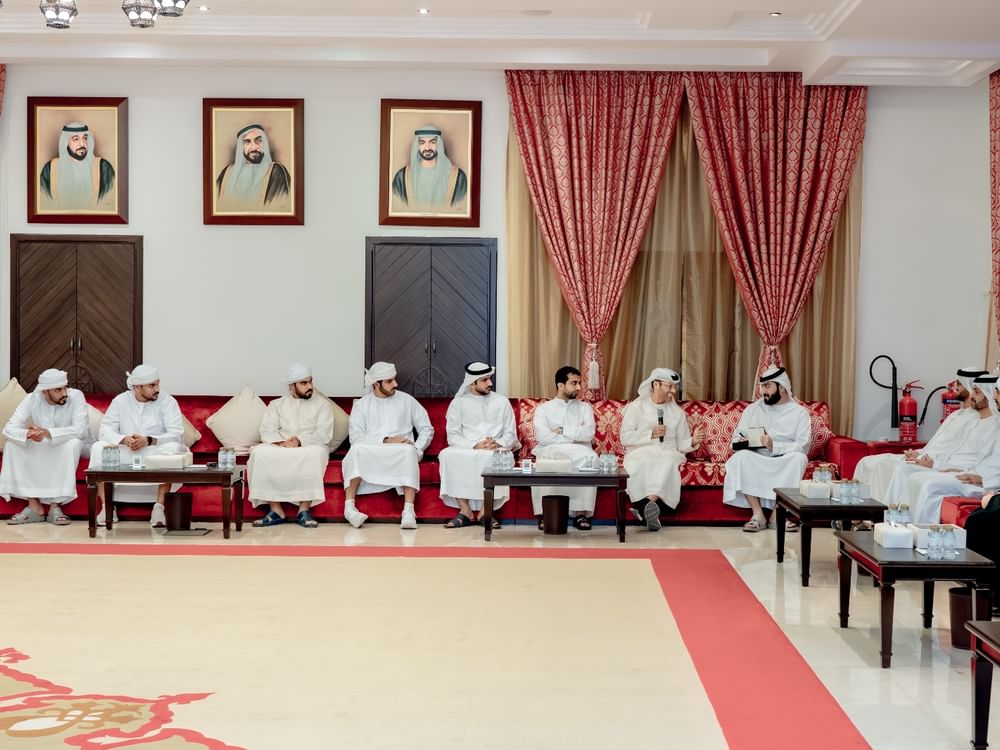
ABU DHABI, 14th November, 2025 (WAM) -- Majalis Abu Dhabi, in collaboration with the Cybersecurity Council (CSC), held a high-level discussion session titled "Enhancing Cultural Identity in the Cyber World".
The discussions took place at Mohammed Al Mahmoud Al Baloushi Majlis in Al Ain and Al Mushrif Majlis in Abu Dhabi, as part of ongoing efforts to strengthen cybersecurity culture and promote protection against digital risks and threats amid the increasing use of advanced technologies across all aspects of life.
The session was presented by Dr. Mohamed Al Kuwaiti, Head of Cyber Security for the UAE Government, who reviewed the current national efforts to reinforce cultural identity in light of the accelerating technological transformations of the cyber era.
He also discussed the Council’s policies aimed at promoting digital awareness and building an informed society, resilient and capable of addressing the growing cybersecurity challenges.
The dialogue explored how the digital age can contribute to consolidating national identity, preserving Emirati cultural values, and ensuring their active presence within a secure digital environment. It emphasised that cultural identity, reflecting an individual’s sense of belonging to shared values and traditions, is a cornerstone of psychological balance and social cohesion.
The discussion noted that technology and digital innovation could serve as digital bridges connecting individuals to their heritage and communities through digitization. Museums, libraries, and cultural institutions are now able to safeguard human heritage through digital archiving, offering younger generations the opportunity to access their history and cultural identity anytime and anywhere.
Dr. Al Kuwaiti affirmed that the rapid pace of technological development presents valuable opportunities to strengthen cultural bonds and reinforce national identity.
He noted that virtual spaces enable the exchange of experiences and stories, and the organisation of events that revive customs and traditions. They also provide opportunities for individuals to explore their cultural identity through online communities that share language, heritage, or daily practices.
However, he cautioned against excessive reliance on technology, which may lead to a superficial understanding of culture, underscoring the importance of engaging with digital content consciously and critically to preserve the authenticity of cultural experience.
Dr. Al Kuwaiti further explained that technology offers rich opportunities for learning and practical engagement with heritage. Language-learning applications, artificial intelligence tools, and virtual lessons can help individuals reconnect with their cultural roots.
Meanwhile, virtual and augmented reality technologies enable immersive experiences that bring historical sites and traditions to life, fostering deeper cross-cultural understanding. He stressed that such technologies must be employed responsibly, with respect for indigenous communities and in ways that avoid superficial representation or cultural appropriation.
The attendees discussed various aspects of cultural identity and the pivotal role that the digital sphere plays in expressing and reshaping cultural identity. The internet has become a platform for creators from diverse cultural backgrounds to highlight their work and share their stories, enriching the diversity of cultural voices and perspectives.
This interaction between cultures has produced a dynamic blend of authenticity and modernity, evident in fields such as music, art, and fashion, where technology contributes to the formation of collective identities within an interconnected global context.
The discussion also highlighted the advanced technologies that can be harnessed to strengthen national identity and the vital role these tools play in preserving and revitalising national heritage and cultural traditions.
Participants emphasised that the success of such efforts depends on communities themselves leading digital initiatives to safeguard their cultural and intellectual rights.
Citizens from different age groups took part in the dialogue, sharing their ideas and experiences regarding cyberspace and cultural identity.
In conclusion, Dr. Al Kuwaiti affirmed that the relationship between technology and national and cultural identity is complex and interdependent, requiring a balance between preservation and innovation, accessibility and accountability. He noted that when technology is used wisely and responsibly, it has the power to support and enhance national identity in the digital age.
He praised the ongoing collaboration with Majalis Abu Dhabi for their key role in promoting cybersecurity culture and resilience among citizens, strengthening cultural identity, and addressing the various cyber threats and their implications for individuals and communities alike.