
ABU DHABI, 8th August, 2026 (WAM) -- The UAE's tourism sector is witnessing growing momentum during the summer 2026 season, driven by a diverse range of tourism experiences and cultural, heritage and entertainment events attracting visitors from within the country and abroad, supported by an integrated ecosystem combining advanced infrastructure, world-class facilities and seasonal programmes catering to various categories of tourists.
The summer 2026 season builds on the strong performance achieved by the UAE tourism sector in 2025, when various indicators reached record levels. The number of guests at hotel establishments rose to 32.34 million, while hotel nights exceeded 110.62 million. Hotel establishment revenues increased to AED49.21 billion, while the hotel occupancy rate reached 79.3 percent, reflecting the sector's resilience and continued growth.
Summer events across the UAE range from shopping and entertainment to culture and heritage, in line with the country's efforts to diversify its tourism offering, strengthen family tourism and establish summer as a key season on the annual tourism calendar.
In Abu Dhabi, heritage festivals have taken centre stage during the summer, led by the 22nd Liwa Date Festival, which attracted around 80,000 visitors, and the inaugural Al Ain Date Festival, which welcomed 74,599 visitors over seven days. The Al Wathba Date Festival also features competitions for dates and palm products alongside heritage activities, supporting farm owners, encouraging local production and strengthening the date palm's presence as a symbol of national identity.
Tourism, cultural and entertainment destinations across Abu Dhabi are hosting events and activities combining entertainment, education and culture, offering families, children and other visitors diverse experiences that reflect the UAE capital's vision to consolidate its position as a vibrant global destination throughout the year.
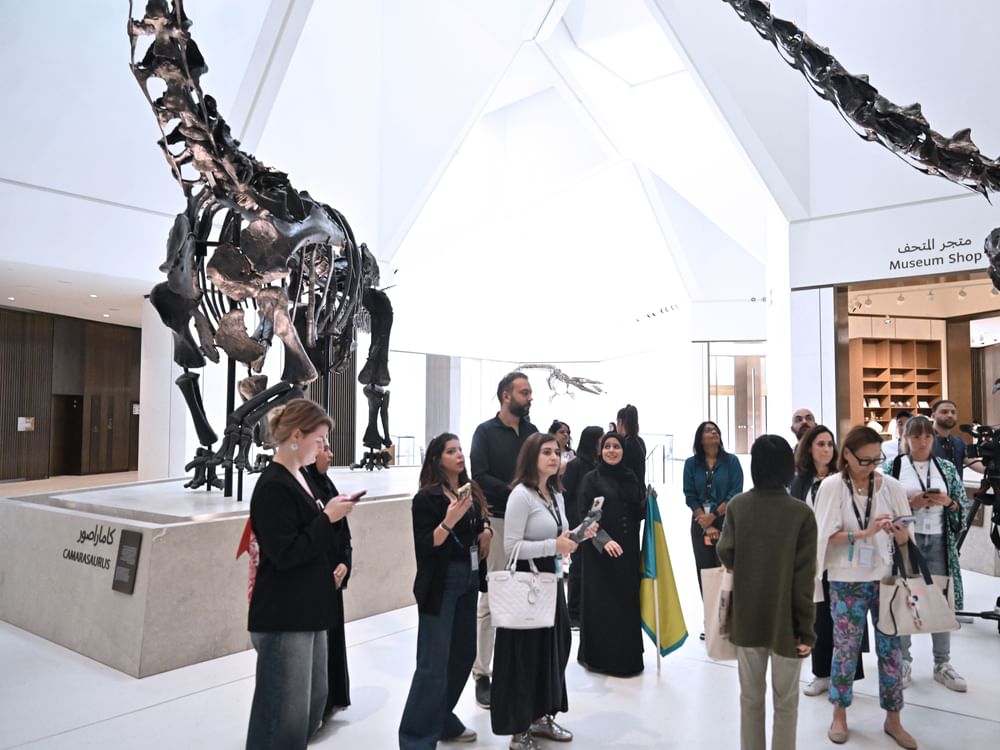
Within this framework, Saadiyat Island's cultural scene stands out through summer programmes combining art, science and heritage. Louvre Abu Dhabi offers exhibitions, guided tours, art workshops and interactive activities for families, while the Natural History Museum Abu Dhabi provides educational activities introducing participants to the history of the Earth and its environmental diversity. Zayed National Museum also presents a comprehensive perspective on the UAE's journey and cultural heritage through its collections and educational programmes.
Yas Island continues to consolidate its position as a leading entertainment hub in the region, with world-class attractions including Ferrari World Yas Island, Abu Dhabi; Warner Bros. World Abu Dhabi; Yas Waterworld Yas Island, Abu Dhabi; SeaWorld Yas Island, Abu Dhabi; and CLYMB Abu Dhabi, alongside artistic events and international shows hosted by Etihad Arena. Meanwhile, Umm Al Emarat Park and Hudayriyat Island offer sporting, recreational and environmental activities for families.
In Dubai, Dubai Summer Surprises is attracting visitors with shopping offers and entertainment and cultural events, including performing arts at Mall of the Emirates, featuring circus performances, dance shows and interactive entertainment. Dubai Festival Plaza is hosting a dance competition aimed at young people and families, while Ibn Battuta Mall is hosting indoor running races over various distances suitable for different ages and fitness levels.
Meanwhile, Sharjah Summer Promotions is offering a diverse programme of commercial and community events with participation from the government and private sectors, supporting tourism and commercial activity throughout the season.
Summer events in Sharjah also included the 10th Al Dhaid Date Festival, which attracted more than 35,000 visitors and featured competitions for dates and locally grown fruit, supporting the agricultural sector and encouraging farmers to develop their production.
Ajman, meanwhile, hosted the Liwa Ajman Dates and Honey Festival, bringing together farmers, honey producers and productive families, with competitions, exhibitions of national products and heritage activities.
These festivals and events have contributed to supporting local economies and stimulating the hospitality, retail, transport and services sectors. They have also provided platforms for marketing the products of farmers, productive families and craftspeople, while strengthening the presence of creative and heritage industries, in line with the UAE's efforts to preserve its cultural heritage and transform it into a contributor to sustainable development.
The momentum of summer events underscores the UAE's success in building an integrated tourism season that combines authenticity and modernity, harnesses cultural heritage to support tourism development, and consolidates the country's position as a global destination offering diverse and sustainable tourism experiences throughout the year.