
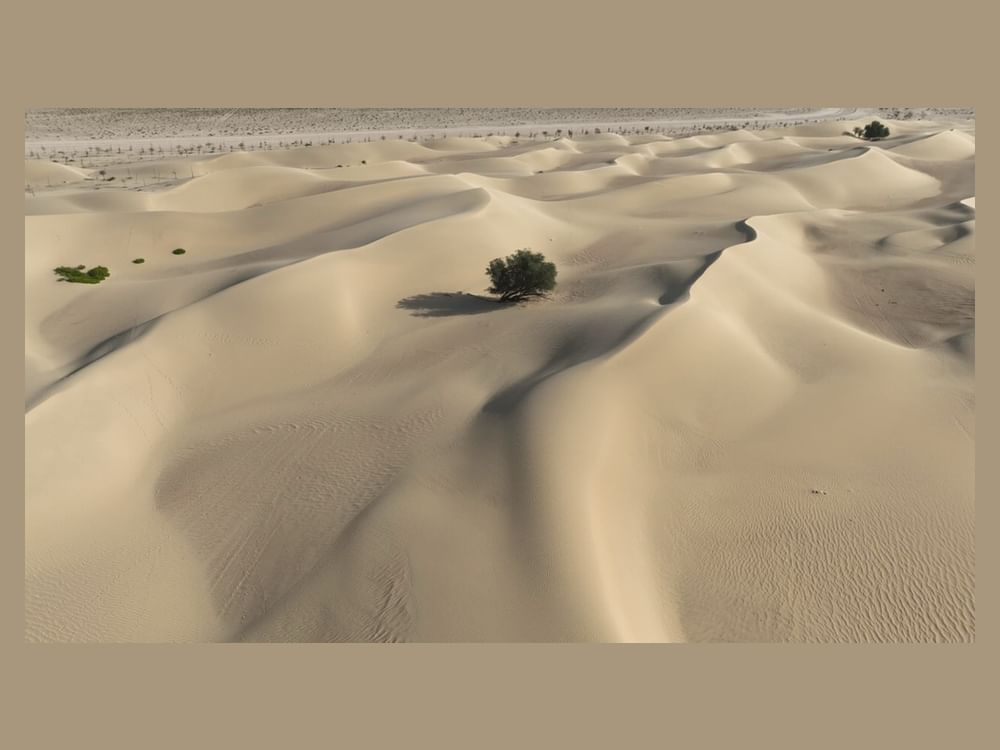
DUBAI, 5th September, 2026 (WAM) -- The Dubai Desert Conservation Reserve (DDCR) is an advanced model for protecting desert ecosystems and preserving biodiversity in the UAE, spanning 225 square kilometres, or around five percent of the Emirate of Dubai.
The reserve, the second-largest nature reserve in Dubai and the first national reserve in the UAE, is home to 562 species, including 142 species of birds, 22 mammals, 28 reptiles, 298 invertebrates and 72 plants.
Its diverse habitats include sand dunes, gravel plains and ghaf woodlands, providing suitable conditions for a wide range of plant and animal species and helping maintain the balance and sustainability of the desert ecosystem.
Ahmed Mohammed bin Thani, Director-General of the Dubai Environment and Climate Change Authority (DECCA) , told the Emirates News Agency (WAM) that protecting desert ecosystems is a key pillar of Dubai's environmental strategy, with nature reserves representing a long-term investment in the emirate's natural capital.
"Nature reserves are a long-term investment in Dubai's natural capital. They not only protect wildlife species but also strengthen the resilience of ecosystems to climate change and support sustainability goals for future generations," he said.
Bin Thani added that DDCR represents a pioneering national model, demonstrating that protecting the desert goes beyond conserving species and natural habitats to safeguarding an integral part of the UAE's identity and natural heritage.
The reserve is home to several prominent desert species of ecological importance, including the Arabian oryx, Arabian sand gazelle and mountain gazelle, as well as birds such as the houbara bustard, lappet-faced vulture and eagle owl.
It also provides a safe haven for species of regional importance, including Gordon's wildcat and the Egyptian spiny-tailed lizard, enhancing its scientific value and role in conserving desert biodiversity.
Given the fragile nature of desert environments, characterised by scarce rainfall and high temperatures, protecting wildlife and maintaining the balance of natural habitats require continuous scientific monitoring, management and conservation programmes.
DECCA continues to implement specialised programmes to protect native species and increase their populations in natural habitats through breeding and habitat-management initiatives, notably those targeting the Arabian oryx, Arabian sand gazelle and houbara bustard.
These efforts are supported by long-term biodiversity monitoring programmes, including field surveys and wildlife tracking conducted in cooperation with research institutions and specialist partners. The programmes provide scientific data to help develop reserve management plans and support evidence-based decision-making.
Alongside its biodiversity conservation role, the reserve provides a model for sustainable ecotourism, offering visitor experiences and activities managed under environmental controls designed to protect its sensitive habitats.
These experiences help raise awareness of the desert environment and its biodiversity, while encouraging wider community participation in protecting wildlife and natural habitats.