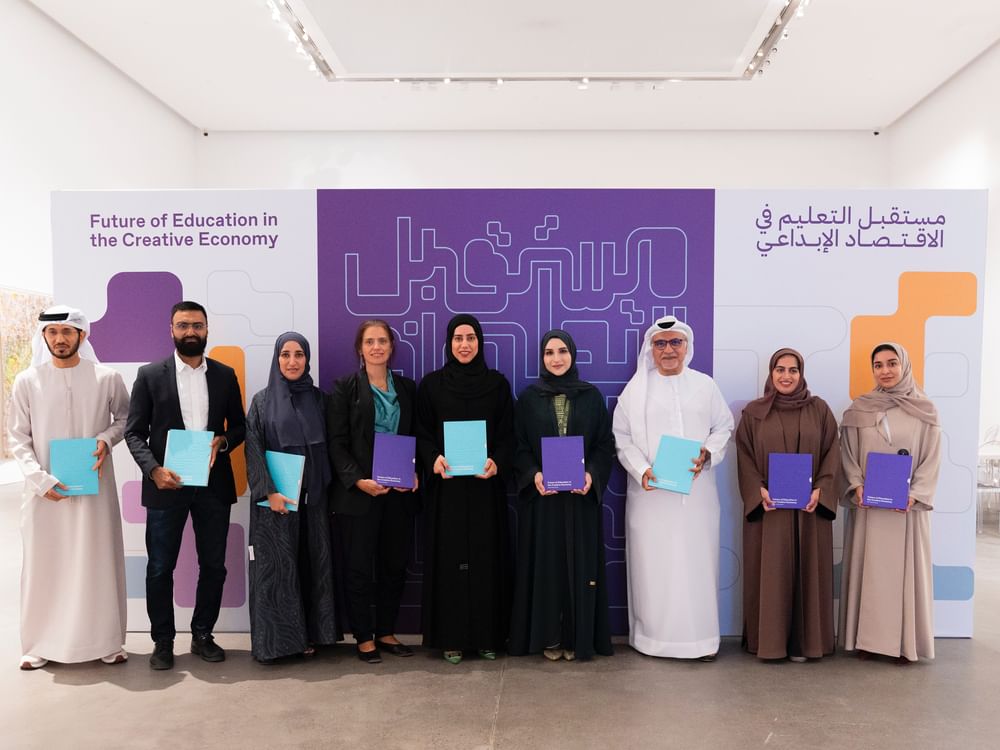
DUBAI, 31st October, 2024 (WAM) -- H.H. Sheikha Latifa bint Mohammed bin Rashid Al Maktoum, Chairperson of the Dubai Culture and Arts Authority (Dubai Culture), today unveiled the 2024 ‘Future of Education in the Creative Economy’ global report at the 2024 World Cities Culture Summit, being hosted for the first time in the MENA region from 30th October to 1st November.
Under the theme “Tomorrow’s Culture: How Will the Next Generation Shape Our World?”, the three-day summit has brought together representatives from over 36 cities around the world to Dubai to share insights on strengthening the creative economy and cultural industries, with a particular focus on fostering talent to drive the future of creative cities.
Sheikha Latifa said the ‘Future of Education in the Creative Economy’ global report aligns closely with Dubai’s vision and its leadership’s commitment to knowledge-driven social progress and sustainable development. “This report marks a significant step forward, underpinning the vital role of education in advancing cultural and creative industries. It highlights the direct link between investing in education and fostering a sustainable creative economy, encouraging the creation of a dynamic ecosystem that empowers our youth, inspires them to pursue their dreams, and strengthens the global cultural and creative landscape.”
“The report’s strength lies in its emphasis on early childhood education, underscoring its profound, long-term benefits for child development. It calls for a holistic approach to nurturing creative education across diverse fields, facilitating collaboration between educational institutions, cultural organisations, the government, and cultural and creative industries. It also highlights the importance of empowering women’s roles within the creative economy, ensuring a more inclusive and dynamic future,” she added.
As part of the summit held under the patronage of H.H. Sheikha Latifa bint Mohammed bin Rashid Al Maktoum, Dubai Culture hosted the first in a series of sessions centred on the report titled ‘Future of Education in the Creative Economy’ led by Ebrahim Vahed, Consulting Manager at Dinar Standards.
The session’s panellists included Hala Badri, Director-General of Dubai Culture; Aisha Miran, Director-General of the Knowledge and Human Development Authority (KHDA); Mohammed Abdullah, President of the Dubai Institute of Design and Innovation (DIDI); Dr. Faisal Alayyan, President & CEO of the Higher Colleges of Technology; Dr. Saeed Mubarak bin Kharbash, CEO of the Arts, Design, and Literature Sector at Dubai Culture; and Janet Belloto, Dean of the College of Arts and Creative Enterprises at Zayed University.
They explored the intersection of education and the creative economy, examining its impact on strengthening cultural and creative industries while advancing broader development goals.
The session is the first in a series of discussions that Dubai Culture is organising to underline the significance of the report and its studies, statistics, and strategic recommendations. These discussions aim to support governments, educational institutions, and industry stakeholders in strengthening the creative economy through strategic investment in education.
Providing an in-depth analysis of education’s role in fueling the creative economy, the report highlights that cultural and creative industries generated US$2.3 trillion in revenue in 2022, making up 6.1 percent of the global economy. These industries also account for 6.2 percent of global employment, with strong engagement among individuals aged 15 to 29, surpassing other sectors. By 2030, creative industries are expected to grow by 40 percent, contributing over 8 million new jobs.
The report, designed by Emirati creative Hessa Lootah, also reveals that current global spending on education within the creative economy stands at approximately US$135.2 billion, with projections to reach US$174.6 billion by 2027, growing at a compound annual rate of 6.6 percent. While creative education currently emphasises core artistic skills, it highlights a disconnect between academic learning and practical, real-world applications, prompting many creatives to pursue informal or self-directed learning pathways.
The report urges governments to streamline regulations and strengthen intellectual property protections to address this gap and support the fast-evolving creative sector.
Concluding with strategic recommendations to foster investment in education and bolster its impact on advancing the creative industries, the report’s key recommendations include integrating essential skills, such as marketing, digital literacy, and manufacturing, into curricula, updating them to reflect changing industry needs and rethinking traditional assessment methods.
Furthermore, the report advises governments to establish clear policies, budgets, and roles to elevate creative education, focusing on early childhood development, investment in educational infrastructure, and easing access to financial support for learners and creative enterprises. Finally, it encourages stakeholders to create strong, collaborative programmes that support the cultural and creative industries, building an innovative, digitally inclusive educational ecosystem.