
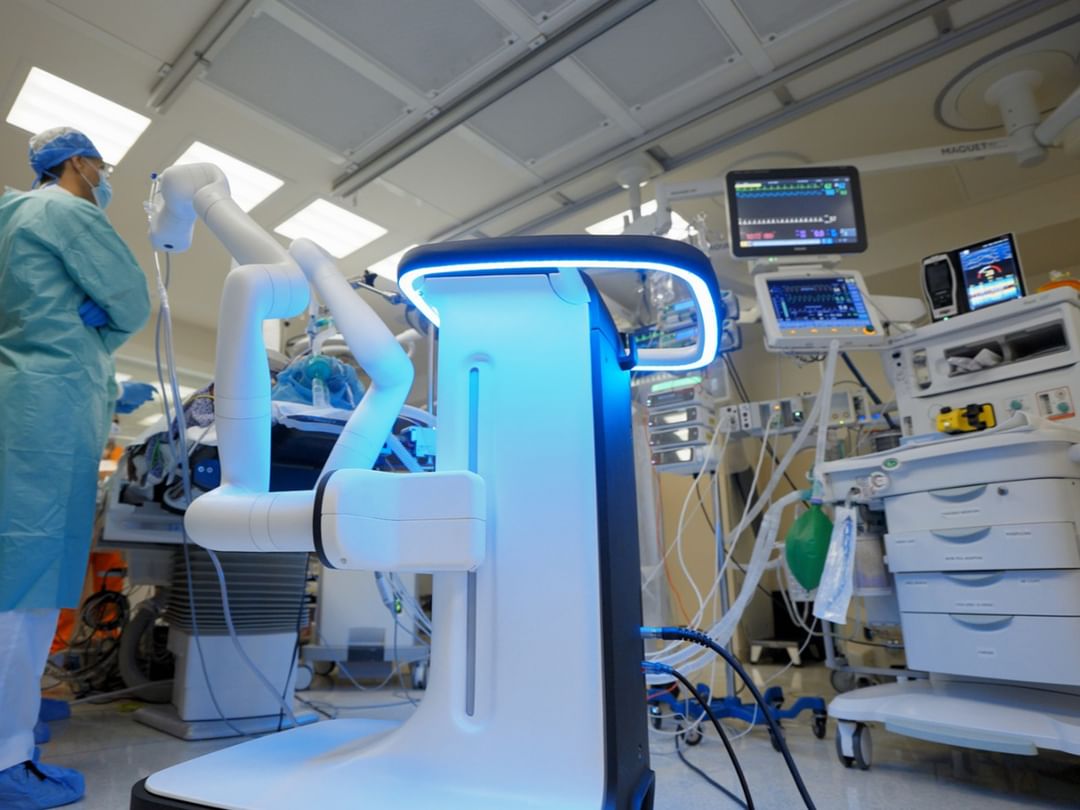
ABU DHABI, 28th July, 2026 (WAM) -- Cleveland Clinic Abu Dhabi introduced the first robotically-assisted bronchoscopy technology in the Middle East, enabling access to the smallest lung nodules deep within the lungs, often the earliest visible signs of lung cancer, supporting accurate diagnosis at early stages without the need for open surgery.
The MONARCH™ platform enables physicians to guide a flexible endoscope deep into the lungs with enhanced stability and precision, allowing real-time targeting of small, hard-to-reach nodules for biopsy. This supports earlier diagnosis and strengthens the ability to intervene at the right time with more targeted treatment strategies.
The minimally invasive procedure is performed under general anaesthesia and is usually completed in 30 to 75 minutes. For patients, these capabilities translate into a safer, less invasive care experience, with faster and more accurate diagnosis, ultimately improving clinical outcomes and quality of life.
The introduction of this technology is supported by the Department of Health – Abu Dhabi, which continues to accelerate the adoption of advanced healthcare technologies with tangible impact on patients, reflecting Abu Dhabi’s broader vision to build a proactive healthcare ecosystem and shift from reactive treatment to prediction, early detection and prevention.
Dr. Georges-Pascal Haber, Chief Executive Officer at Cleveland Clinic Abu Dhabi, said, “Introducing robotically-assisted bronchoscopy reflects Cleveland Clinic Abu Dhabi’s continued commitment to bringing transformative, precision-led technologies to the Middle East. By investing in advanced, technology-enabled solutions, we are redefining patients’ experience through safer, less invasive care while also enhancing diagnostic accuracy.”
Dr. Zaid Zoumot, Division Chair, Pulmonary Medicine, Integrated Hospital Care Institute in Cleveland Clinic Abu Dhabi, said, “Robotically-assisted bronchoscopy represents a breakthrough in how we detect and diagnose lung disease. For the first time, we can precisely access and biopsy even the smallest, most difficult-to-reach lung nodules, enabling diagnosis at earlier stages where lung cancer is most treatable, and outcomes are better.”
In the future, this technology could also assist with robotic surgical interventions for cancer and the treatment of detected nodules through ablation, heat, or cold therapy.