
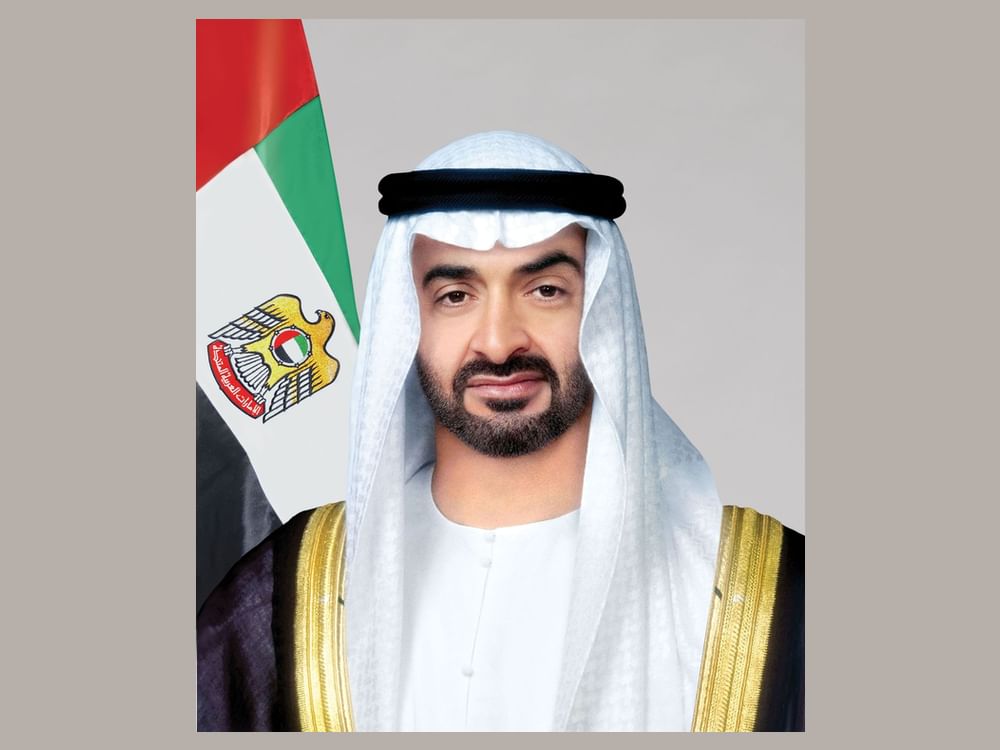
ABU DHABI, 15th September, 2026 (WAM) -- Under the directives of President His Highness Sheikh Mohamed bin Zayed Al Nahyan, the United Arab Emirates, through the UAE Aid Agency, has allocated $8 million to support the friendly Republic of Chad in addressing the El Niño climate phenomenon and its humanitarian repercussions, which have exacerbated food security challenges and heightened the risks of hunger and malnutrition.
In this context, Dr. Tareq Ahmed Al Ameri, Chairman of the UAE Aid Agency, affirmed the UAE's continued global role in responding to disasters and humanitarian crises caused by climate-related phenomena and supporting the most vulnerable communities in strengthening their ability to cope with their repercussions, particularly those related to food insecurity, hunger, malnutrition and declining livelihoods.
He explained that extreme climate phenomena, accompanied by rising temperatures, changing rainfall patterns and water scarcity, exacerbate humanitarian crises and directly affect agricultural production, food availability and livelihoods. This, he said, requires integrated responses that combine meeting urgent humanitarian needs, combating hunger and malnutrition, and strengthening the resilience and recovery capacity of affected communities.
Al Ameri added that the UAE's response in Chad will focus on supporting food security and reaching the most affected and vulnerable groups, with particular attention given to those most at risk of hunger and malnutrition. This will help achieve a sustainable humanitarian impact that goes beyond meeting immediate needs to strengthening communities' ability to withstand the repercussions of climate-related crises.
The UAE Aid Agency continues to respond to disasters and humanitarian crises linked to climate-related phenomena around the world through programmes and initiatives aimed at combating hunger and malnutrition, strengthening food security, supporting early recovery and building resilience, alongside providing vital assistance and sustainable solutions to improve the living conditions of the most vulnerable communities and populations.