
ABU DHABI, 17th September, 2026 (WAM) -- The “Education in the Service of the Family: From Vision to Impact” conference concluded today in Abu Dhabi after three days of discussions on strengthening integration between families and educational institutions amid rapid social and technological change.
Held from 15th to 17th September under the patronage of Lt. General H.H. Sheikh Saif bin Zayed Al Nahyan, Deputy Prime Minister and Minister of Interior, the conference was organised by the Education Interface platform in cooperation with Mohamed Bin Zayed University for Humanities.
The event formed part of Education Interface 2026 and coincided with the “Year of the Family”.
Officials, academics, specialists and representatives of the public and private sectors discussed family empowerment, cooperation between homes and schools, national identity and Emirati values, digital parenting, future skills and the responsible use of artificial intelligence.
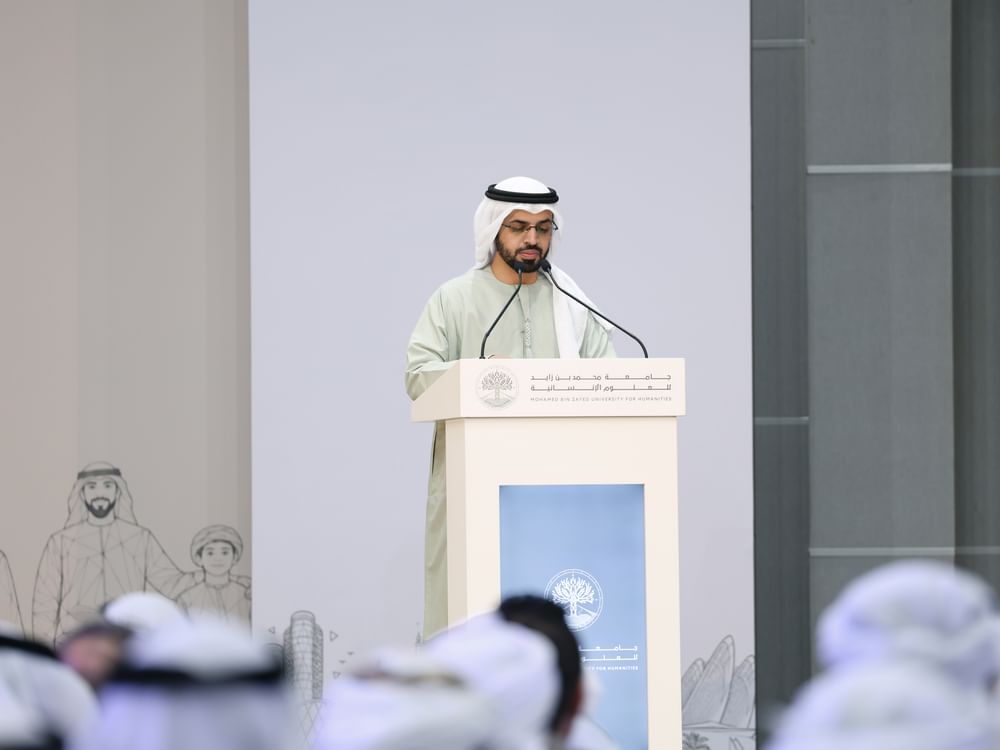
Omar Habtoor Al-Darei, Chairman of the General Authority of Islamic Affairs, Endowments and Zakat and Deputy Chairman of the UAE Fatwa Council, delivered the keynote address on the final day, highlighting the importance of integration between education and the family in human development and social cohesion.
He said education should respond to society’s challenges, contribute to solving its problems and help shape its future, while the family remains the primary environment for upbringing and a source of psychological and social security.
Al-Darei stressed that educational institutions should complement rather than replace the family by strengthening parents’ awareness and enabling families to fulfil their responsibilities.
Addressing rapid digital transformation, he called for modern technologies, particularly AI, to strengthen communication between homes and schools and support joint initiatives serving families and the educational process.
He also stressed the importance of measuring education’s broader impact on national belonging, identity, faith-based and human values, and preserving the Emirati family model that combines development with deeply rooted heritage.
Al-Darei proposed developing an indicator to measure the impact of curricula and school activities on families, including their contribution to family stability, national identity, values and intellectual resilience among future generations.
His proposals also included using AI to develop digital platforms integrating the roles of families and schools, creating incentives for exemplary families, and issuing periodic “National Family Readiness” reports assessing identity, intellectual resilience and young people’s ability to adapt to social and technological change.
The conference concluded with two specialised sessions. The first, “Family and Education”, addressed family support for children’s digital education, AI’s role in the educational system and key educational challenges in the digital age.
The second session, “Family and Education: Reality and Challenges”, examined the changing relationship between families and education amid social and technological transformations and featured research on digitalisation, education and the family.
The closing discussions stressed the importance of stronger integration between families, schools and academic institutions, improving family awareness of emerging technologies and using AI responsibly to support education while preserving the complementary roles of families and educational institutions.