
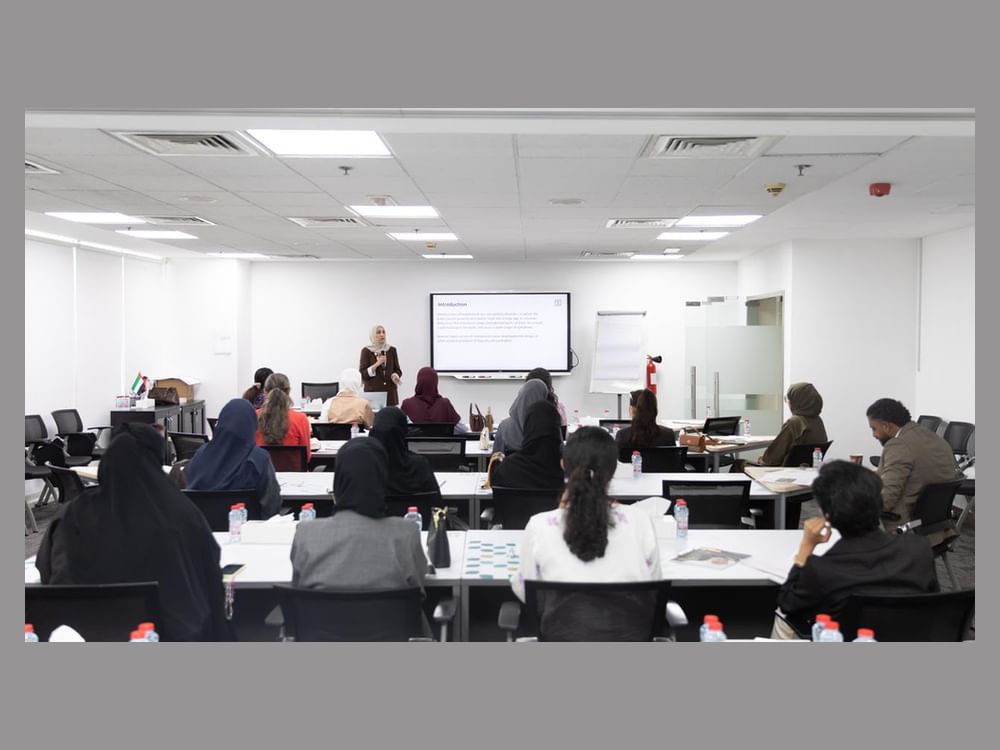
DUBAI, 11th October, 2026 (WAM) -- The Hamdan Bin Rashid Al Maktoum Foundation for Medical and Educational Sciences organised a specialised training workshop entitled “Nutritional Management of Phenylketonuria (PKU)” at its headquarters in Dubai, bringing together healthcare professionals to strengthen scientific knowledge and practical skills in the nutritional management of inherited metabolic disorders.
The workshop was accredited by the Dubai Health Authority (DHA) for three Continuing Professional Development (CPD) hours, reinforcing its role in supporting ongoing professional education and enhancing the competencies of healthcare practitioners.
The workshop was delivered by Dr. Hanadi Algabeesh, Senior Clinical Dietitian at Al Jalila Children’s Specialty Hospital, and covered a range of scientific and practical topics related to phenylketonuria, an inherited metabolic disorder. Without appropriate management, elevated phenylalanine levels in the blood can lead to serious neurological and health complications.
The workshop reviewed the fundamental principles of nutritional management for PKU, including the development of appropriate dietary plans and meal planning for different age groups.
The programme also addressed the specific nutritional considerations for children, adolescents and women during pregnancy, as well as recent developments in available treatment options. It included practical case studies and interactive exercises on meal planning, food-label reading and estimating daily nutritional requirements, helping healthcare professionals strengthen their ability to provide appropriate nutritional care for patients.
Dr. Salama Al Muhairi, Director of the Medical Excellence Department at Hamdan Bin Rashid Al Maktoum Foundation for Medical and Educational Sciences, said that the workshop provided opportunities for continuing professional education and the exchange of specialised knowledge and expertise.
It also addressed key practical challenges encountered by healthcare professionals in managing PKU cases, while examining effective strategies for nutrition education and support for patients and their families. The workshop further highlighted the importance of multidisciplinary collaboration in ensuring continuity of care and achieving optimal health outcomes.