
SHARJAH, 15th October, 2026 (WAM) -- Successful destinations are those that bring together culture, hospitality, infrastructure and community needs to create experiences that attract investment and generate lasting economic value, according to speakers at the ninth Sharjah Investment Forum (SIF 2026).
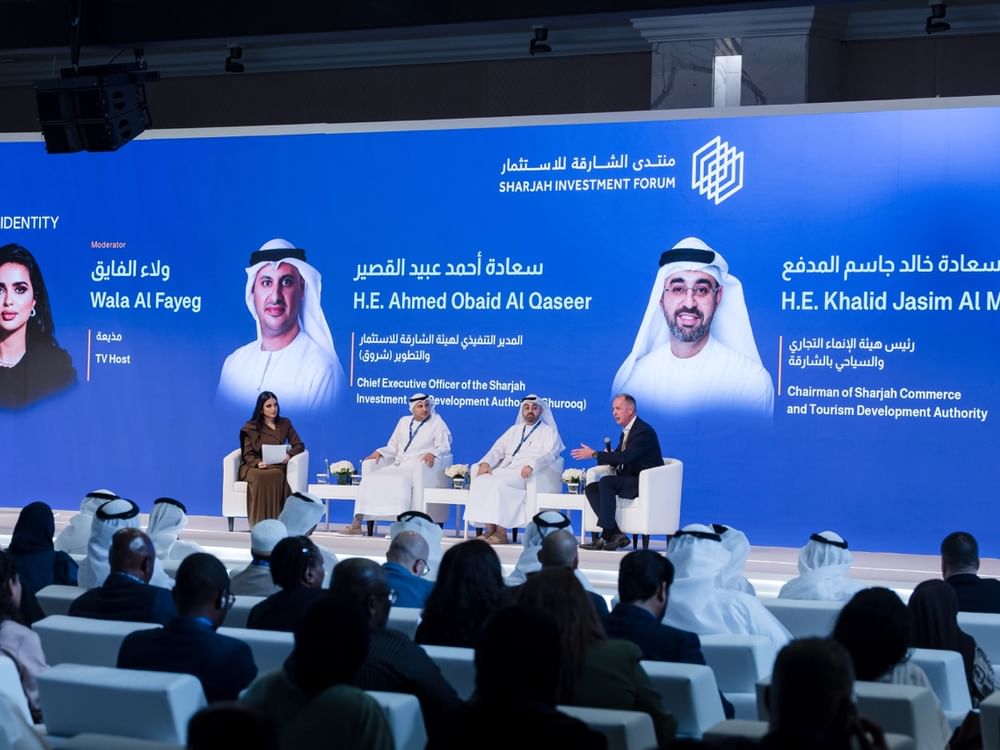
The insights shared by leading local officials and hospitality industry experts, namely Ahmed Obaid Al Qaseer, CEO of Sharjah Investment and Development Authority (Shurooq); Khalid Jasim Al Midfa, Chairman of Sharjah Commerce and Tourism Development Authority; and Stephan Schupbach, President and Group CEO of Chedi Hospitality, examined how tourism, hospitality and destination development can work together to enhance Sharjah’s appeal to both investors and visitors.
The discussion took place on the forum’s second day, titled ‘Destination Economy: Creating Experiences, Shaping Identity’.
Ahmed Obaid Al Qaseer emphasised that the success of any destination development project begins with answering a fundamental question: “Why are we developing this project?” He explained that the answer determines the design, master plan and target audience.
“The Chedi Al Bait hotel in the Heart of Sharjah is an example where existing heritage houses and the foundations of old homes were incorporated into the development to offer visitors an experience that recreates the atmosphere of Sharjah's past while providing modern hospitality services,” he further noted.
Al Qaseer also highlighted the Kalba Beach project as an example of development that places the needs of the local community at the forefront. He explained that the project includes walking, jogging and cycling tracks, alongside commercial units allocated to young Kalba entrepreneurs to establish cafés, restaurants and their own businesses.
“The project also incorporates innovative sustainability solutions, including construction techniques that use soil extracted from the site itself, solar energy, and the reuse of wood from old electricity poles in certain elements of the development,” Al Qaseer added, stressing that sustainability practices also extend to creating new economic opportunities for residents and local businesses.
For his part, Khalid Jasim Al Midfa highlighted the growing economic opportunities in the tourism sector, noting that it contributes approximately 10% of global GDP and is expected to grow faster than several other key economic sectors over the next decade.
“Sharjah is well positioned to benefit from this growth, supported by expanding infrastructure projects, airport development, and new developments in the Central and Eastern Regions,” he said, adding that he expects the emirate to see significant growth opportunities in specialised tourism segments, particularly sports tourism, in the near future.
Al Midfa also addressed the challenges posed by tourism seasonality and fluctuations in visitor numbers throughout the year, explaining that “addressing these challenges requires diversifying tourist source markets rather than relying on a single market, alongside promoting domestic tourism and encouraging hotel stays among local residents in collaboration with the private sector.''
He emphasised that partnerships among government entities, tourism companies and hotel operators play a vital role in mitigating fluctuations in demand.
“The UAE government's responsiveness and flexibility in adapting to changing economic conditions have helped to strengthen investor confidence and enhance the country's attractiveness as a destination for business and tourism,” he further noted.
Stephan Schupbach highlighted the evolving concept of luxury in the global hospitality industry, noting that a hotel's value is increasingly defined by the distinctiveness of the experience it offers and the stories it tells about its destination, rather than by traditional expressions of luxury.
“The [Chedi] Group's experience in Sharjah has become a model for international partners and investors,” he noted.
Discussing the future of hospitality and the growing competition in the sector, he opined that operators need to continually develop their services and adapt to the expectations of younger generations.
“Our Group plans to test advanced artificial intelligence applications in the operations of a new hotel we intend to open in Riyadh within the next nine months. The initiative will explore the use of AI in procurement, financial management, human resources and reservations, with the aim of enhancing operational processes and improving efficiency,” he added, emphasising that the group views this initiative as a practical trial to assess the effectiveness of emerging technologies.
The discussion highlighted the importance of aligning investment and development with a clear sense of place. In Sharjah, cultural heritage, natural landscapes, distinctive hospitality and opportunities for local businesses are working together to create a visitor economy that attracts travellers and supports long-term competitiveness.
Organised by the Sharjah FDI Office (Invest in Sharjah) in collaboration with the UAE Ministry of Investment, SIF 2026 is held under the theme ‘Building Adaptive Economies’. The forum brings together business leaders, investors and policymakers to explore opportunities for investment, economic resilience and sustainable growth.