
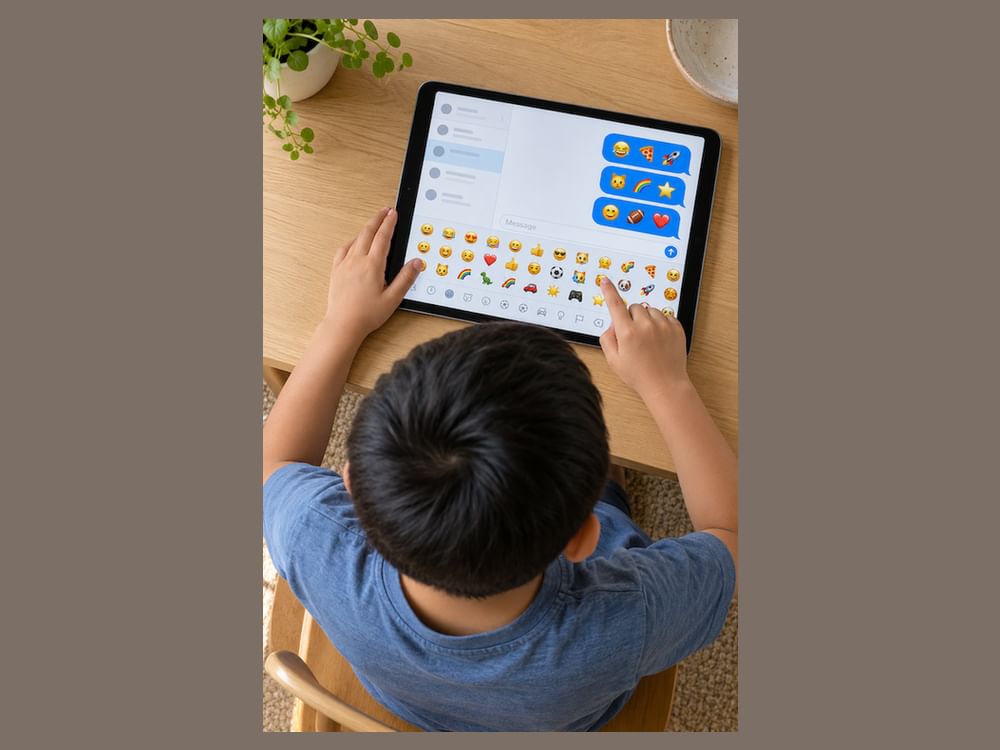
SHARJAH, 19th October, 2026 (WAM) -- A single emoji, an unfamiliar abbreviation or an apparently harmless online joke can carry a meaning that parents may not recognise. As younger generations develop their own forms of digital communication, the Child Safety Organisation urges families to understand the language children use online, warning that this language gap can make it harder to recognise potential risks.
Digital communication is increasingly shaped by emojis, slang, memes, abbreviations and social media trends. While most are harmless forms of expression, some may carry sexual references, bullying messages, discriminatory meanings or signals of inappropriate behaviour, depending on context.
Figures cited by UAE authorities in January 2026 indicate that 97% of children aged seven and above regularly use digital devices, while one in three has been contacted by strangers online. Recognising the importance of protecting children in an increasingly connected world, the UAE has introduced the Child Digital Safety Law and strengthened oversight of more than 4,000 digital platforms. These measures reinforce the country's commitment to a safer digital environment for children and highlight the essential role parents and caregivers play in understanding how children communicate and interact online.
The organisation stressed the importance of parents and caregivers developing a better understanding of the digital world their children engage with, keeping up with emerging trends and online terminology, and recognising their meanings and potential implications.
It also encouraged them to familiarise themselves with the platforms children use, the content they consume and the people they communicate with, and to regularly check the age ratings of electronic games to ensure they are appropriate for their children's ages and developmental stages.
Parents are encouraged to explore reliable online safety resources, familiarise themselves with emerging slang, emojis, abbreviations and social media trends, and learn how their meanings can vary across platforms and conversations. They should also discuss unfamiliar expressions with their children, stay informed about the content they encounter, and recognise when online interactions may involve bullying, manipulation, secrecy or inappropriate requests. Understanding children's digital language should be an ongoing responsibility, rather than something addressed only when a problem arises.
An unfamiliar emoji is not automatically a warning sign. Understanding the conversation, its context and the child's behaviour is more important than interpreting individual symbols in isolation.
Dr Hanadi Saleh Al Yafei, Director General of the Child Safety Organisation, said: "We cannot protect children from risks we do not recognise, and we cannot recognise those risks if we do not understand their digital world. Parents must be willing to learn the language their children speak, even when it is unfamiliar. Protection begins with understanding, not merely monitoring."
The organisation emphasised that digital awareness should strengthen trust rather than encourage excessive surveillance. Children should feel comfortable explaining their online experiences without fear of judgement or punishment.
Child Safety called on parents, educators and caregivers to make digital literacy an ongoing part of family communication, recognising that keeping children safe requires adults to keep learning as well.