
ABU DHABI, 27th October, 2026 (WAM) -- A new study from New York University Abu Dhabi (NYUAD) has revealed how coral-associated bacteria help corals withstand extreme heat by producing steroid hormones that strengthen their immune response.
Published in Nature Microbiology, the study showed that Endozoicomonas, a group of bacteria commonly associated with corals worldwide, produces steroid hormones including testosterone and progesterone when temperatures rise. These hormones help corals mount a stronger immune response to heat stress, increasing the survival of coral cells.
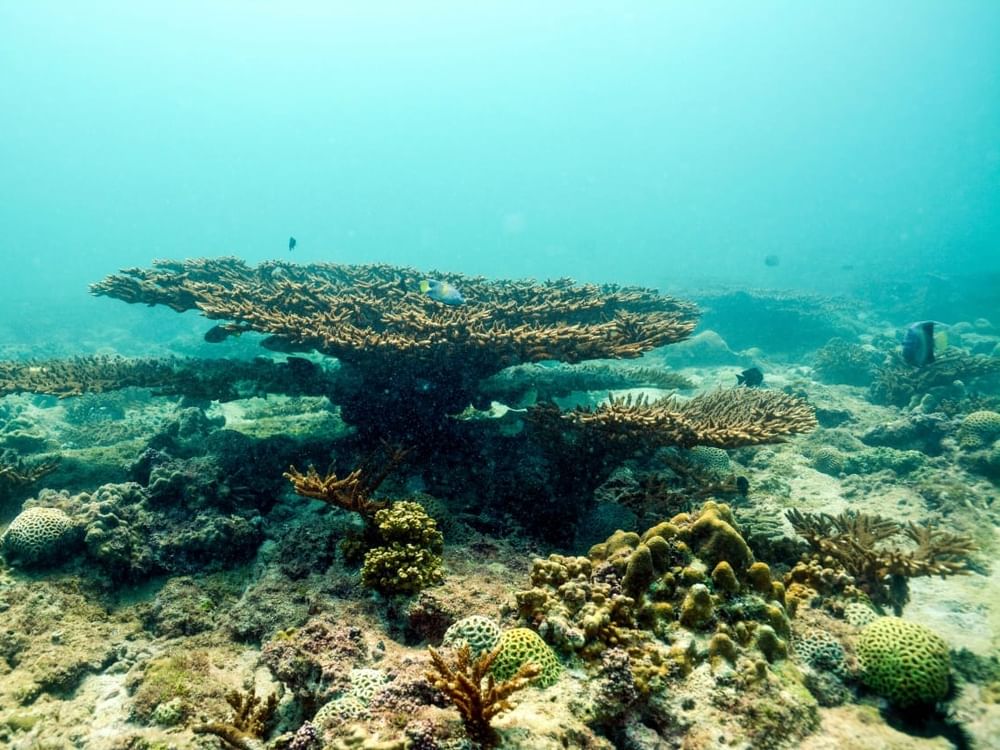
The research was conducted on Acropora pharaonis corals from the Arabian Gulf, including corals collected near Saadiyat Island.
“When temperatures become high, corals lose some of their ability to produce steroid hormones that are important for regulating their immune system,” said NYU Abu Dhabi Research Associate and first author of the study Amin Mohamed. “We found that their bacterial partners can compensate by producing these hormones themselves, allowing the coral to activate an immune response that helps its cells survive the heat.”
Steroid hormone production is generally associated with complex organisms, and only a limited number of bacteria have previously been shown to produce these molecules, including in the human gut. The discovery that coral-associated bacteria can produce and provide these hormones to their host reveals a previously unknown function of the coral microbiome.
“These bacteria are doing much more than simply living alongside the coral,” said NYU Abu Dhabi Associate Professor of Biology and senior author of the study Shady Amin. “They are providing the coral with molecules it needs to regulate its immune response at a time when the coral itself is under significant stress.”
The study constituted a breakthrough in understanding bacterial contributions to coral resilience and host–microbe interactions. The findings also pointed to a potential new direction for coral conservation. While approaches such as coral nurseries, restoration, and assisted evolution focus primarily on the coral itself, the study suggests novel functions of beneficial microorganisms could also play a role in helping corals cope with environmental stress.
The research was conducted through NYU Abu Dhabi’s Centre for Genomics and Systems Biology.