
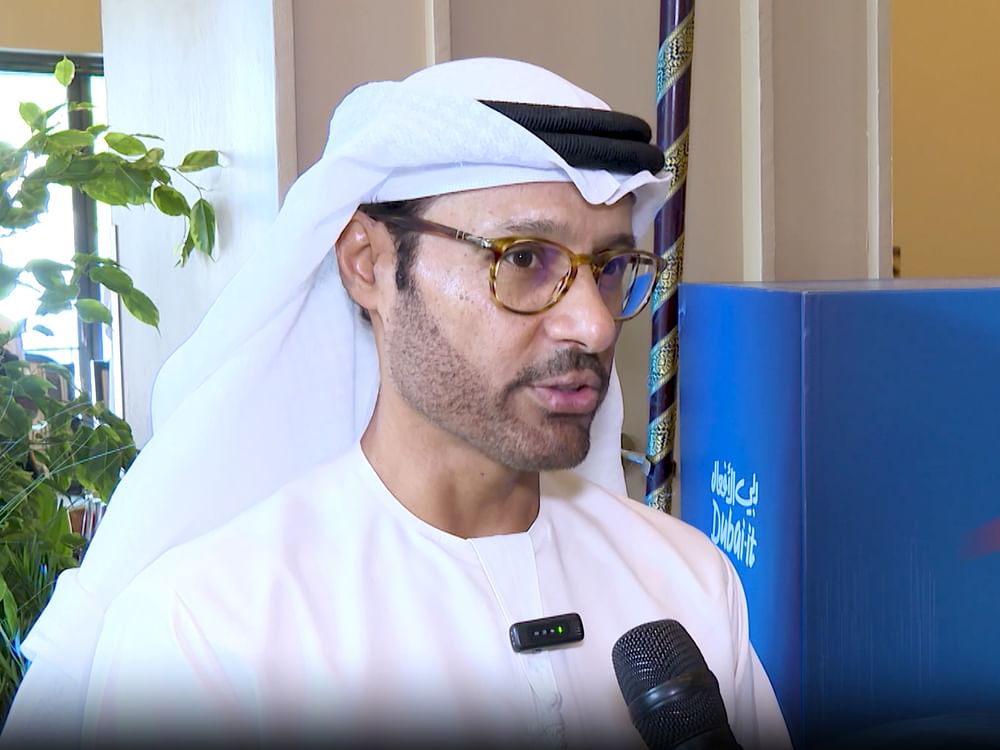
DUBAI, 29th October, 2026 (WAM) -- Dr. Mohamed Hamad Al Kuwaiti, Head of Cyber Security for the UAE Government, underscored the importance of leveraging artificial intelligence (AI) technologies to strengthen financial oversight systems and protect their data against cyberattacks.
He stressed the need to empower human resources, deploy advanced monitoring and early-warning technologies, and strengthen partnerships among the government sector, private sector and society to address growing cyber threats.
He made these remarks to the Emirates News Agency (WAM) on the sidelines of the third edition of the Foreseeing Government Audit Future Conference, organised by the Financial Audit Authority in Dubai under the theme “Smart Audit”. The conference began today, bringing together a distinguished group of leaders, experts and specialists in auditing, oversight, governance, cybersecurity and artificial intelligence.
Al Kuwaiti explained that AI helps support analysts, auditors and personnel working in oversight bodies, enabling them to proactively monitor potential threats. He noted that the UAE’s national cybersecurity framework is based on national and international standards and policies, including compliance controls and data classification according to confidentiality levels. This ensures the protection of data used in financial oversight activities, particularly data classified as confidential and highly confidential.
He added that AI enables the analysis of patterns in financial transfers, invoices and transactions, as well as the identification of normal and abnormal activities. This helps oversight bodies detect unusual indicators associated with fraud, money laundering and organised crime.
He pointed out that deploying these technologies makes it possible to move from audits conducted at specific intervals to continuous oversight by analysing data and monitoring activities and transactions on an ongoing basis. This enhances institutions’ ability to identify risks and address them proactively.
Al Kuwaiti emphasised the importance of human resources as the first line of defence against cyber threats. This can be achieved by training and empowering personnel to use AI effectively and apply intelligent models and applications in oversight activities and the detection of potential attacks, in accordance with approved standards and policies.
He highlighted the importance of deploying early-warning systems and rapid monitoring mechanisms to detect threats that may target institutions or their oversight data, enabling these threats to be addressed, neutralised and mitigated.
He also stressed the need to establish partnerships with the government and private sectors, as well as various segments of society. He noted that cyberattacks do not discriminate between institutions, individuals or countries, making coordinated efforts and enhanced cooperation essential to combating them.
Al Kuwaiti affirmed that artificial intelligence is a double-edged sword. While it can be used to strengthen cybersecurity and improve the efficiency of oversight operations, it can also be misused to carry out cyber intrusions and attacks, create deepfakes, spread rumours and disseminate misleading information through social media platforms.
He noted that the UAE provides a model for the positive use of artificial intelligence through a framework of standards and policies designed to ensure the responsible application of these technologies and harness them for the benefit of society.
Al Kuwaiti concluded by emphasising that raising awareness of artificial intelligence and cybersecurity, alongside empowering human resources, are among the key recommendations for strengthening the preparedness of oversight institutions. He stressed that human expertise remains fundamental, regardless of how advanced the technologies used in institutional operations become.