
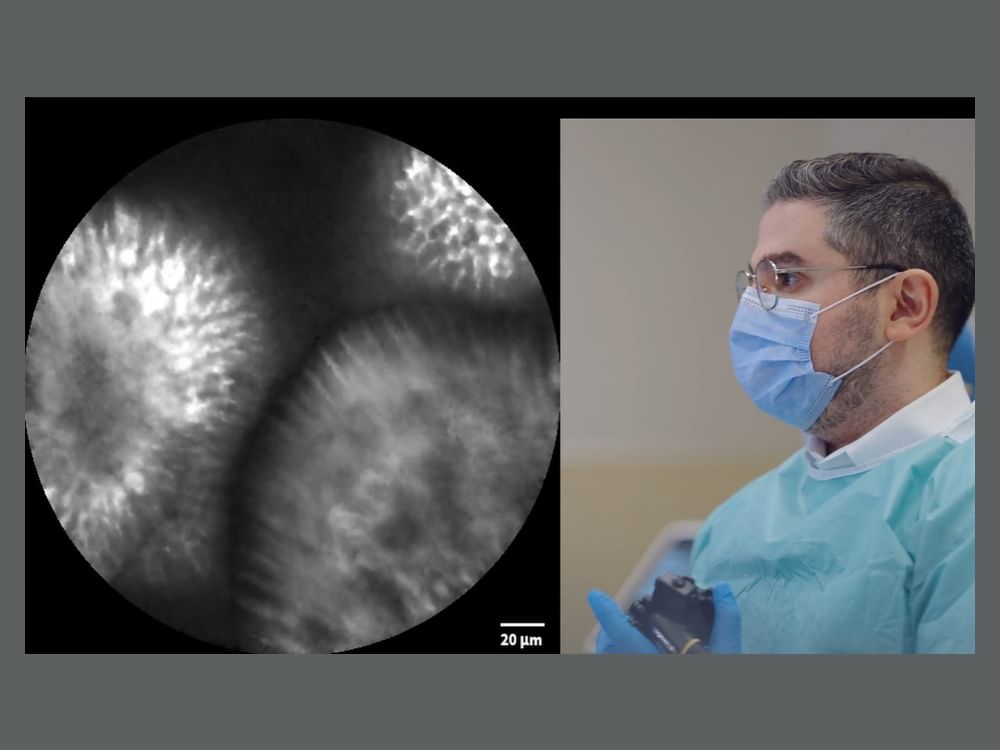
ABU DHABI, 2nd November, 2026 (WAM) -- Cleveland Clinic Abu Dhabi is offering, for the first time in the Middle East and North Africa, an advanced food intolerance test using endomicroscopy that enables doctors to observe how cells in the small intestine respond to specific foods in real time.
Approved by the Department of Health – Abu Dhabi, the technology can help identify foods that may trigger digestive symptoms by monitoring cellular responses during the examination, providing diagnostic information to support personalised dietary recommendations and care plans.
During the procedure, carefully selected food particles are introduced directly into the small intestine. Doctors then use an endoscope equipped with microscopic imaging technology to observe the response of intestinal cells in real time.
The test is performed under sedation during an upper gastrointestinal endoscopy and typically takes less than an hour.
It is intended, based on specialist assessment, for patients experiencing chronic food-related symptoms such as persistent bloating, diarrhoea, abdominal pain and digestive discomfort.
The test complements conventional food allergy testing by providing additional information that may help identify causes of gastrointestinal symptoms that have remained unexplained in some patients.
Its findings can support more targeted dietary management, reduce unnecessary food restrictions and help patients maintain appropriate nutritional balance.
The medical team determines whether the test is suitable for each patient and provides preparation and recovery instructions based on their condition.
Patients are required to follow a hypoallergenic diet for two weeks and fast for eight hours before the procedure. Recovery is generally rapid, with most patients able to resume eating within an hour and return to normal activities the following day.
Sacha Sidani, Staff Physician in Gastroenterology at Cleveland Clinic Abu Dhabi’s Digestive Disease Institute, said the technology enables doctors to observe intestinal responses to foods at the cellular level and identify foods associated with symptoms.
He added that this provides greater diagnostic precision and supports personalised care that can improve patients’ quality of life.
Sidani noted that persistent gastrointestinal symptoms whose causes remain unclear can lead some patients to eliminate broad groups of foods without medical guidance, potentially affecting their nutritional balance and daily lives.