
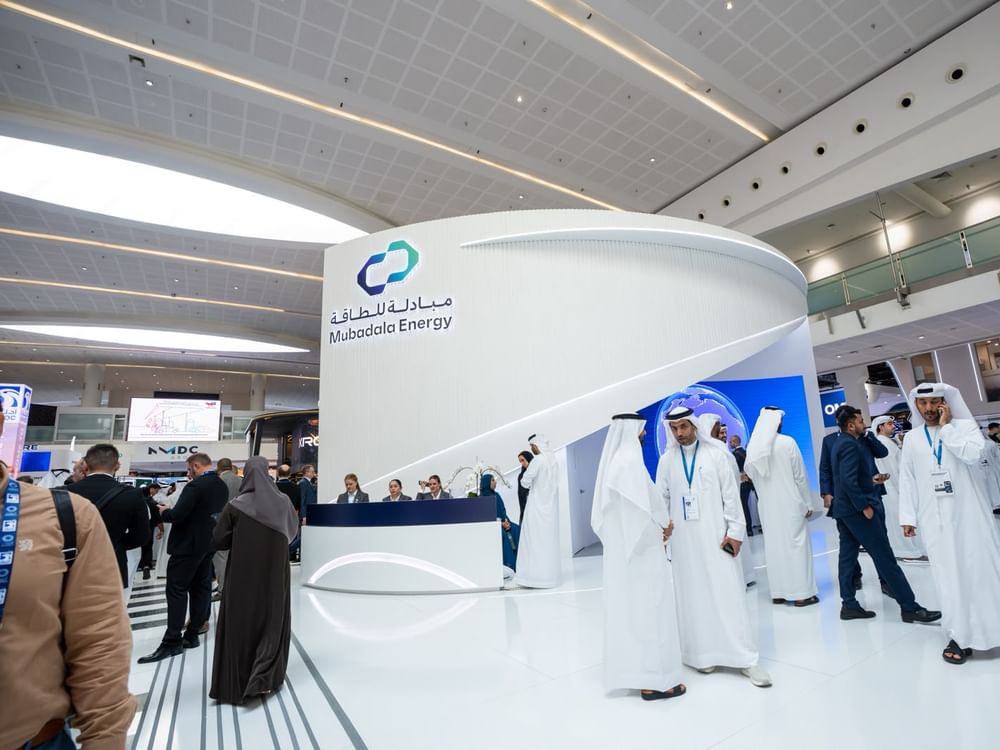
ABU DHABI, 5th November, 2026 (WAM) -- Mubadala Energy aims to double its production over the next decade, with natural gas accounting for about 70 percent of its portfolio, Acting Chief Executive Officer Adnan Bu Fateem said.
In statements to the Emirates News Agency (WAM) on the sidelines of ADIPEC 2026, Bu Fateem said the company's priority was to translate its strategy into disciplined growth and reliable operational performance to meet rising energy demand responsibly and deliver sustainable value to its shareholders and the countries in which it operates.
He said Mubadala Energy was exploring investment opportunities across the natural gas value chain, connecting competitive gas resources with long-term demand.
In Malaysia, the company operates the Pegaga gas field, where it recently expanded production capacity and is exploring further growth opportunities. In Indonesia, it is advancing the Tangkulo development, building on its established exploration presence in the Andaman Sea.
In the United States, Mubadala Energy's investment in Caturus LLC provides an integrated presence spanning gas production in the Haynesville Basin and the Commonwealth liquefied natural gas (LNG) project, which reached a Final Investment Decision in May 2026. The project has a planned production capacity of 9.5 million tonnes annually, with recently announced plans to increase capacity to 16 million tonnes per year.
The company has also strengthened its position in Egypt by completing the acquisition of a 15 percent stake in the Nargis Offshore Area, complementing its existing investments in the Zohr and Nour concessions.
Bu Fateem said these investments reflected the company's strategy of pursuing growth through strong partnerships and clear routes to market, while building a more integrated and resilient portfolio.
Mubadala Energy currently operates in 10 countries, with seven producing assets across Southeast Asia, the Middle East, the Eastern Mediterranean and the United States.
He said this geographical diversification allowed the company to balance producing assets, development projects and exploration opportunities.
The United States, its newest market, provides a platform for further expansion in North America through the Caturus investment, he added.
Bu Fateem said the company's growth strategy combined targeted investments with improvements in the performance of existing assets, with the aim of building a more competitive and integrated portfolio serving domestic, regional and international markets.
He cited the Pegaga project in Malaysia's Sarawak state, where offshore platform upgrades were completed within 10 months of project approval, increasing production capacity by 30 percent to 750 million standard cubic feet per day.
The expansion strengthens gas supplies to the Bintulu LNG complex and demonstrates how engineering, technology and efficient execution can increase the value of existing infrastructure, he said. All work at Pegaga was completed safely, without injuries or incidents.
Across its exploration and production portfolio, Mubadala Energy is seeking to improve operational reliability, reduce downtime and emissions, and use predictive maintenance technologies and real-time data to support decision-making.
The company is entering a phase focused on converting recent discoveries and investments into producing projects that can provide reliable long-term energy supplies, Bu Fateem said. Indonesia is central to this strategy, with the company-operated Layaran and Tangkulo discoveries in South Andaman containing more than 8 trillion cubic feet of natural gas resources.
On emissions reduction, Bu Fateem said Mubadala Energy was adopting a practical, accountable approach focused on improving asset performance and investing in technologies that enhance operational efficiency.
The company reduced its Scope 1 and Scope 2 greenhouse gas emissions by 30.9 percent last year, while continuing efforts to improve energy efficiency, manage gas flaring and methane emissions, and strengthen equipment reliability.
Digital technologies play a central role in these efforts, with predictive maintenance systems and real-time operational data helping teams reduce unnecessary downtime, identify potential problems early and optimise resource use.
At Pegaga, the Digital Twin project provides real-time information on wells, reservoirs and maintenance requirements, enabling faster and more informed decisions.
Bu Fateem said the company monitors its environmental performance through established reporting and verification mechanisms, reviews progress against sustainability priorities and publishes its results in annual sustainability reports.