
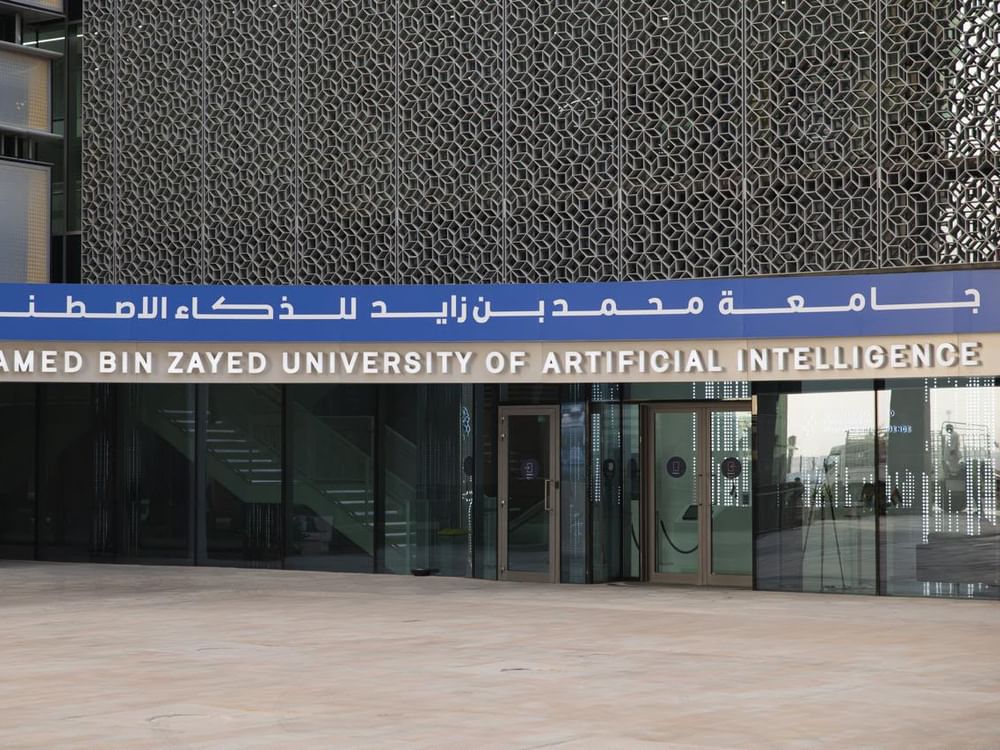
ABU DHABI, 14th November, 2026 (WAM) -- Mohamed bin Zayed University of Artificial Intelligence (MBZUAI) is advancing research using artificial intelligence (AI) to improve early diabetes detection through innovative approaches to identifying risk factors and analysing health and genetic indicators.
Marking World Diabetes Day, observed annually on 14th November, researchers at the university are exploring how AI can identify early signs of diabetes risk using data that conventional screening methods may overlook.
The research covers several areas, including monitoring glucose fluctuations, assessing genetic susceptibility and examining retinal images for indicators of metabolic and cardiovascular health.
Together, these initiatives aim to support more personalised approaches to diabetes prevention, in line with this year's World Diabetes Day theme, "Early action on diabetes".
MBZUAI leads the Human Phenotype Project (HPP) in the UAE, a free, voluntary longitudinal study in Abu Dhabi that follows participants for up to 25 years.
The project combines more than 40 layers of health data, including genetic information, blood biomarkers, medical imaging, continuous glucose monitoring and sleep tracking, to examine how health conditions change and diseases develop.
Open to UAE citizens and residents aged 18 to 70, the study draws on the country's diverse population of more than 200 nationalities to establish health reference standards that account for age and ethnicity. Participants can access personalised research insights through a secure portal and share them with their physicians.
HPP findings revealed that 40 percent of individuals whose fasting glucose levels initially appeared normal subsequently recorded fasting glucose readings within the prediabetes range during continuous monitoring, highlighting risks that conventional tests might miss.
HPP data is also supporting the development of GluFormer, an AI foundation model created by MBZUAI researchers and collaborators to analyse daily glucose fluctuations rather than relying solely on average measurements, such as those obtained through the HbA1c test.
Published in Nature in January 2026, GluFormer was trained on more than 10 million continuous glucose monitoring measurements from 10,812 HPP participants, most of whom did not have diabetes. The model can identify glucose patterns using just two weeks of data.
A multimodal version incorporating dietary information can also simulate individual glucose responses to specific foods, providing further insights into metabolic health.
Another MBZUAI research initiative focuses on genetic susceptibility to type 2 diabetes through polygenic risk scores (PRS), which combine multiple genetic variants to estimate inherited disease risk.
The five-year project, running from 2025 to 2030, draws on the Emirati Genome Program's repository of 900,000 genomes, together with type 2 diabetes diagnoses recorded through Malaffi, Abu Dhabi's health information exchange.
Researchers aim to develop and validate a population-specific PRS for Emiratis, addressing limitations in existing models largely developed using European genetic data.
The team will conduct a genome-wide association study to examine genetic risk factors, develop more accurate predictive scores and assess their performance across different age groups.
The objective is to help physicians identify individuals at higher risk earlier and tailor screening accordingly.
Led by a multidisciplinary MBZUAI team specialising in computational biology and personalised medicine, the project complements HPP by examining inherited susceptibility alongside changes in health and disease risk over time.
Research led by Professor Imran Razzak, Associate Professor of Computational Biology at MBZUAI, is also uncovering links between oral microbes and metabolic changes associated with diabetes.
Using HPP data, researchers identified bacterial and microbial gene patterns associated with glucose levels and fluctuations, liver health and body fat.
AI models using selected oral microbial characteristics distinguished individuals with prediabetes more accurately than models based on complete microbial profiles, suggesting potential applications in future risk assessment.
Related research found that dietary patterns influence oral microbial composition, with fruit, vegetable and fibre intake associated with particular microbial species.
Mediterranean-style and whole-food plant-based dietary patterns also helped predict microbial metabolic pathways, while differences among closely related bacteria highlighted the importance of identifying specific microbial characteristics.
Beyond glucose and genetic data, MBZUAI researchers are investigating how retinal images can reveal early indicators of diseases affecting other parts of the body.
The retina provides a non-invasive view of blood vessels and nerve tissue, making it a potential source of information about metabolic and cardiovascular health.
Through the emerging field of oculomics, researchers are developing AI systems capable of detecting signs of systemic disease in retinal images.
During a research showcase with Cleveland Clinic Abu Dhabi in October 2025, MBZUAI demonstrated how eye scans could help identify early indicators associated with diabetes, hypertension, Alzheimer's disease and heart disease, potentially before symptoms appear.
The work includes research led by Professor Jianing Qiu, Assistant Professor of Personalised Medicine at MBZUAI, exploring how retinal images reflect biomarkers of metabolic and vascular dysfunction.
Related cardiovascular research led by Professor Razzak is developing AI systems combining retinal vascular imaging with electrocardiogram (ECG) data to identify early signs of heart failure, a cardiovascular complication associated with diabetes.
These systems are designed to support clinicians rather than replace them, providing additional information that could help detect previously overlooked warning signs.
Collectively, the initiatives demonstrate how combining AI with large-scale health data could reveal patterns missed by conventional screening and support earlier, more personalised prevention strategies.
The research also reflects the UAE's broader investment in healthcare technology, with healthcare among the priority sectors of the UAE National AI Strategy 2031.
Initiatives including the Emirati Genome Program and Malaffi are strengthening the data foundations needed to advance research and improve early disease risk identification.