
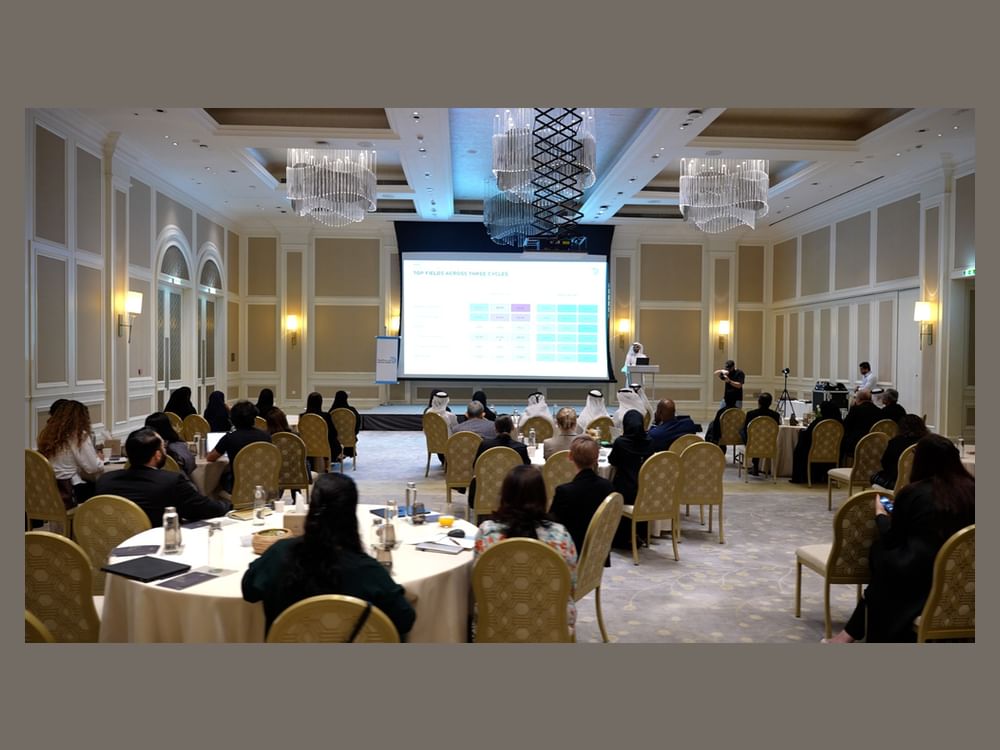
DUBAI, 17th November, 2026 (WAM) -- Digital Dubai, in collaboration with the Knowledge and Human Development Authority (KHDA), organised an academic event with leaders of higher education institutions, bringing together university presidents, vice presidents, college deans, leading experts and specialists, and representatives of government entities.
The event aimed to strengthen integration between the government sector and academic institutions and align educational outcomes with the requirements of the digital economy and the future labour market.
The event focused on anticipating the digital skills and competencies required for the next phase, while exploring opportunities for collaboration in developing academic programs, practical training and applied innovation. These efforts aim to prepare future generations to contribute to Dubai’s digital transformation journey and strengthen the emirate’s readiness to navigate the rapid changes taking place around the world, particularly in artificial intelligence and advanced technologies.
Hamad Obaid Al Mansoori, Director General of Digital Dubai, said: "Under the vision of its wise leadership, Dubai places investment in people and the development of their capabilities at the heart of its development agenda. are ultimately driven not by technology itself, but by the people and talent capable of advancing it and harnessing its potential and creating value from it.
Amid the rapid transformations driven by AI and advanced technologies, the ability to nurture talent, attract the right competencies and continuously develop skills has become a critical factor in the competitiveness of nations and economies, as well as their ability to anticipate and shape the future."
He added: "The success of digital transformation depends on viewing it as an integrated development endeavour that requires concerted efforts across government, educational institutions and the private sector to build a sustainable ecosystem for human capital development. From this perspective, Digital Dubai collaborates with its partners to strengthen the alignment between education and the needs of the economy and government, enabling universities to become active partners in developing digital solutions and turning real-world challenges into opportunities for learning, research and innovation. This will create broader opportunities for students and graduates to contribute to shaping the future."
He emphasised that the purpose of such events extends beyond the exchange of perspectives to identifying practical pathways for collaboration, grounded in a clear understanding of required skills and existing gaps, and linking competency development with tangible opportunities and practical application. H.E. noted that sustainable partnerships between government and universities represent a long-term investment in generations capable of leading future transformations, while reinforcing Dubai's position as a global hub for the digital economy and innovation.”
For her part, Aisha Miran, Director General of the Knowledge and Human Development Authority said: "Preparing learners for the future requires an education system that evolves alongside the changing needs of society and the economy. Universities have a vital role to play in this, not only by equipping students with knowledge and qualifications, but also by developing the skills, capabilities and mindset that enable them to navigate change, think critically and contribute meaningfully to the world around them.
Through the Education 33 Strategy, Dubai is committed to building a future-focused education ecosystem that connects learning with real-world opportunities and strengthens pathways between education and employment. Collaboration between universities, government and industry is essential to achieving this ambition, ensuring that what students learn is relevant to the challenges and opportunities ahead.
By bringing these partners together, we can create more opportunities for students to gain practical experience, apply their knowledge and develop the competencies needed to contribute to Dubai's continued growth and future ambitions."
The event included a presentation on the strategic directions of Digital Dubai and its priorities for developing the capabilities and skills needed to support digital transformation and a sustainable economy. Participants were also briefed on the findings of the Dubai’s Digital Skills Survey, which examined current skill levels, existing gaps and the skills expected to see growing demand in the future.
Participants also reviewed the Digital Competency Framework and its components, as well as its role in supporting skills development and employment and strengthening the alignment of human capabilities with the evolving needs of the labour market. An interactive discussion explored priority skills and ways to leverage the survey findings and framework to better align academic programs with the actual requirements of government entities and the labour market.
Participants discussed ways to expand practical training opportunities for students, enabling them to gain professional experience and become familiar with government work environments. They also explored mechanisms for linking graduation projects to real-world challenges faced by government entities, allowing students to apply their knowledge and skills to develop practical ideas and solutions.