
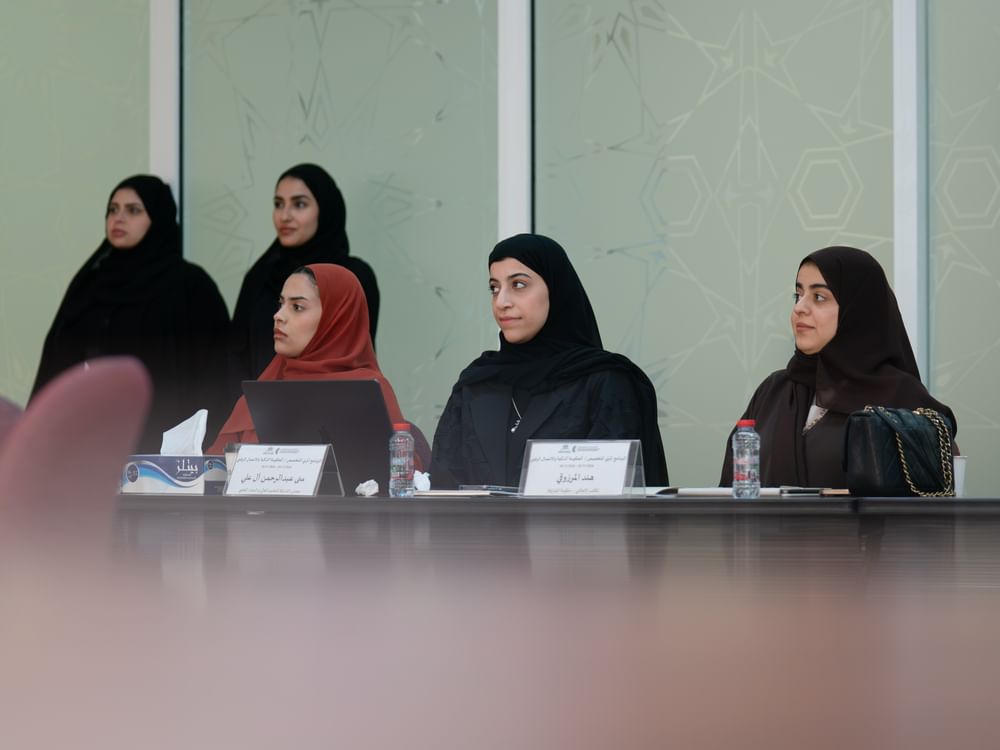
SHARJAH, 18th November, 2026 (WAM) -- Government communication staff in the Emirate of Sharjah have gained knowledge and skills in developing digital services, improving user experience, and analysing data during the initial sessions of the "Smart Government and Digital Communication" programme, organised by the Sharjah Government Media Bureau in collaboration with the Sharjah Department of Human Resources.
The programme is currently being held at the University of Sharjah and will continue until 23rd November.
Having completed the first half of its eight scheduled sessions, the programme will now focus on leveraging artificial intelligence for public engagement and refining targeted media messaging, followed by practical exercises linking the skills acquired to the operational needs of government entities.
Tariq Saeed Allay, Director-General of the Sharjah Government Media Bureau, said the programme is part of a broader series of initiatives organised by the Bureau to develop the skills of government communication professionals across various entities in the Emirate.
He stressed the importance of analysing data on the use of digital government services to better understand users' needs and identify opportunities to improve performance.
The first four sessions, which began on 3rd November, focused on building a practical understanding of digital transformation and smart government. They explored the role of government communication in supporting this transition by introducing concepts related to digital services and showcasing successful government initiatives.
Participants learned the fundamentals of designing interactive applications and platforms, including how to optimise user interfaces and the overall user experience. They also explored ways to leverage citizen feedback and suggestions to improve services.
This module helped bridge the gap between communication efforts and the public’s experience with government platforms, highlighting the role of communication in identifying and addressing user needs.
Furthermore, the sessions covered sources of government and digital data, as well as the tools used to collect, process, and analyse it. This equips participants to interpret trends and utilise data-driven insights for decision-making and strategic communication planning.
Upcoming sessions will address the use of AI in analysing digital content and engaging with the public. Topics will include predicting media and behavioural trends, as well as the application of chatbots, sentiment analysis, and content recommendation systems.
The programme will continue by training participants on how to identify target audiences and analyse their digital interests. It will also cover crafting media messages based on these analytical findings, and measuring their impact to refine and improve future campaigns.
The programme will conclude with practical exercises and simulations involving the use of AI agents in government services and digital communication, the design of digital platforms and citizen-focused applications, and the use of big data to analyse trends and develop targeted media campaigns.
These exercises aim to help participants apply their newly acquired skills in their daily work.